Quick answer
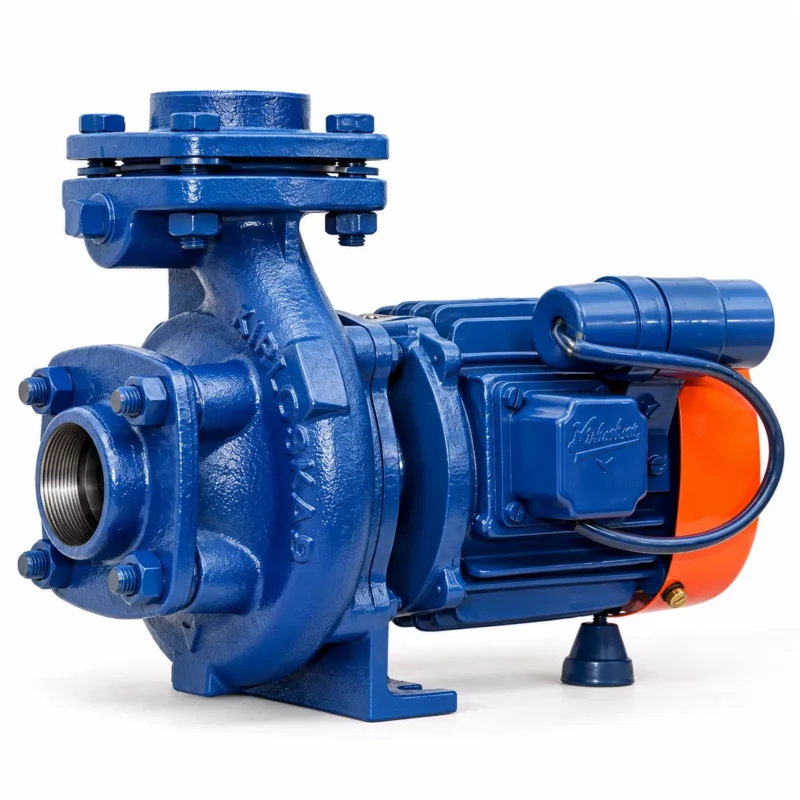
To fill an overhead tank from an underground tank, most houses use a monoblock or self-priming pump, often around 0.5 to 1 HP depending on height and pipe run. For low pressure at showers and taps, use a pressure booster pump. For borewells, use a submersible pump sized to the bore. Always size the pump by total head and the flow you need, not by HP alone.
Water storage in the Tricity is a mix. Many Chandigarh kothis and Panchkula houses have an underground tank and an overhead tank. Builder floors in Mohali often have shared tanks and face low pressure on upper floors. Farmhouses on the outskirts rely on borewells. Each situation needs a different kind of pump, and buying on horsepower alone often leads to a pump that is either too weak or wastes power.
Step 1: Know what the pump must do
- Lift water to a tank: monoblock or self-priming pump
- Increase pressure at taps and showers: pressure booster pump
- Pull water from a borewell: submersible pump
- Pull water from an open well or deep sump: openwell pump
Step 2: Work out the total head
Head is the height the pump must push water, plus an allowance for friction in pipes and bends. A simple way to estimate it:
- Measure the vertical height from the lowest water level in the sump to the top of the overhead tank
- Add the suction lift if the pump sits above the water
- Add an allowance for the pipe length and number of bends. Long runs and small pipes add a lot.
Share these numbers with us and we will match the pump’s head and flow curve to your building.
Step 3: Decide the flow you need
Flow decides how fast the tank fills. A large family or a bigger tank needs more flow. A pump that matches your head but delivers very little water will run for a long time and wear out faster.
Step 4: Check the power supply
Most homes run single phase pumps. Larger buildings, societies and factories often use three phase. Make sure the pump matches the supply and that a proper starter or protection device is fitted.
Do not skip the accessories
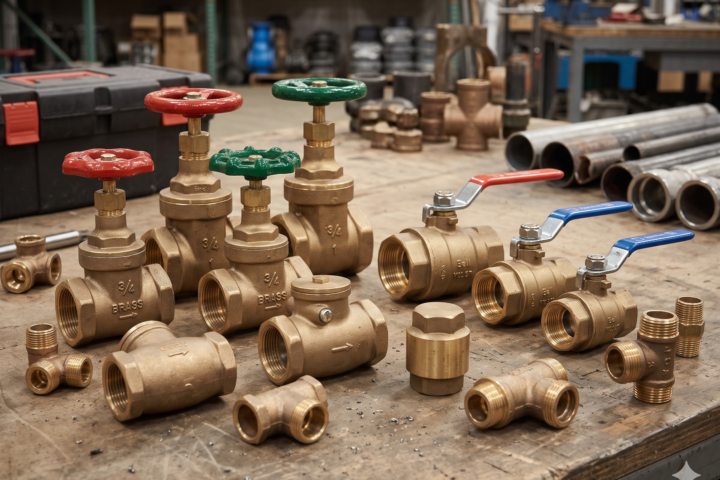
- Foot valve at the bottom of the suction pipe keeps the pump primed
- Non-return valve after the pump stops backflow
- Ball or gate valves on both sides make servicing easy
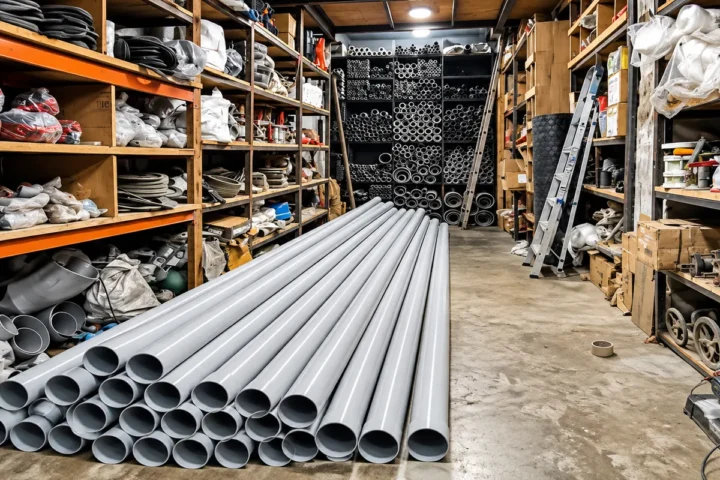
- The right pipe size. A suction pipe that is too small makes a good pump perform badly.
Low pressure on upper floors?
If your overhead tank sits only one floor above the bathroom, gravity pressure will be weak. A pressure booster pump fitted after the tank solves this. Check that your mixers, flush valves and pipes can handle the higher pressure. On very high pressure lines, a pressure reducing valve protects fittings.
Common mistakes
- Buying a bigger HP pump than needed. It costs more to run and can strain pipes.
- Running a pump dry. Use a tank level controller or dry run protection where possible.
- Ignoring the NRV. Without it, water drains back and the pump may lose prime.
See our water pumps and valves for pump lines. If you are in Mohali or Panchkula, send us your building details on WhatsApp and we will suggest a pump before you travel.